
01
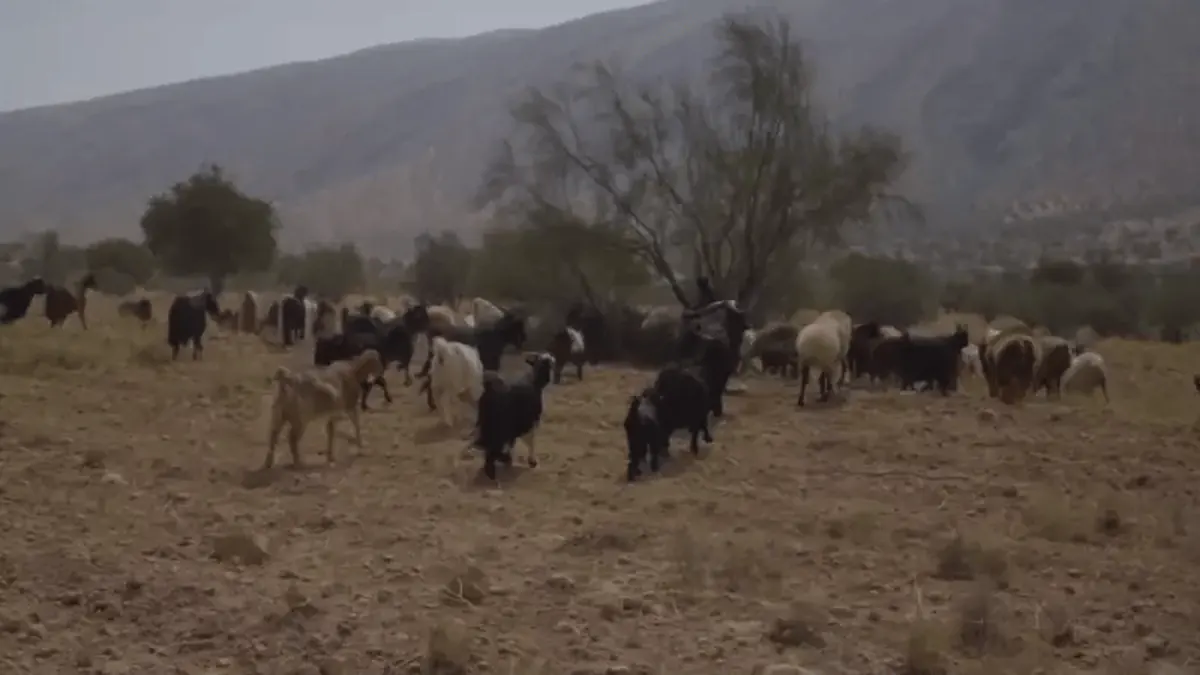
Mountain wool.
Shorn from sheep raised in the Persian highlands. Altitude and cold make the fleece particularly dense, robust and rich in lanolin — what gives the finished rug its durability.
LOOMA stands for rugs, kilims and cushions with soul. Each one a unique piece, woven and knotted in a centuries-old tradition — and found exactly where you already shop.
Find LOOMA on






At the loom
Handwork · Wool & natural dyes
LOOMA stands for handmade rugs, kilims and cushions with soul. Each one a unique piece — woven and knotted by people who pair centuries of tradition with their own instinct for colour, pattern and character.
What emerges are small masterpieces that bring warmth, depth and substance into modern living rooms. Authentic. Long-lasting. Full of stories you can see and feel.
You'll find LOOMA where you already shop — on XXXLutz, Castorama, OBI, OTTO and Check24. Empik is coming next. Shipping, invoicing and returns all run through the marketplace you choose.
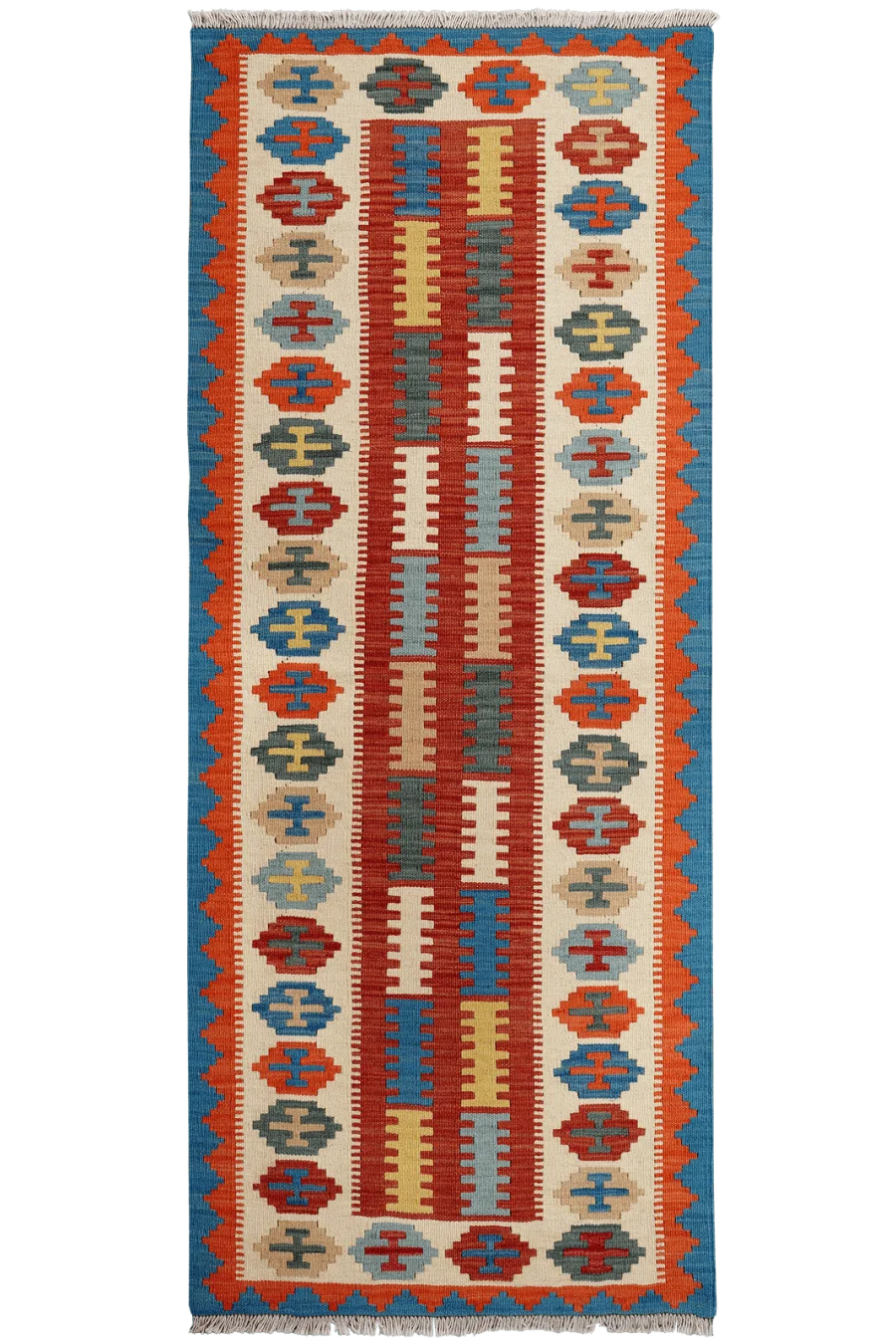
Rug
hand-knotted
Kilim
flat-woven
Cushion
from weaving offcuts
Shipping, invoicing, returns — handled by the marketplace where you're already a customer. You know the flow, LOOMA delivers the product.
LOOMA collection on xxxlutz.de. Shipping, invoicing and returns handled directly by XXXLutz.
View on XXXLutz
LOOMA collection on castorama.fr. Order, delivery and service all through Castorama.
View on Castorama
LOOMA collection on obi.de. Shipping, invoicing and returns handled directly by OBI.
View on OBI
LOOMA collection on otto.de. Shipping, invoicing and returns handled directly by OTTO.
View on OTTO
LOOMA collection on check24.de. Shipping, invoicing and returns handled directly by Check24.
View on Check24
LOOMA on Empik is in preparation — the listing follows in the next weeks.
Every LOOMA piece comes from a process that's stayed largely unchanged for generations. Here's the short version — step by step.
Shorn from sheep raised in the Persian highlands. Altitude and cold make the fleece particularly dense, robust and rich in lanolin — what gives the finished rug its durability.
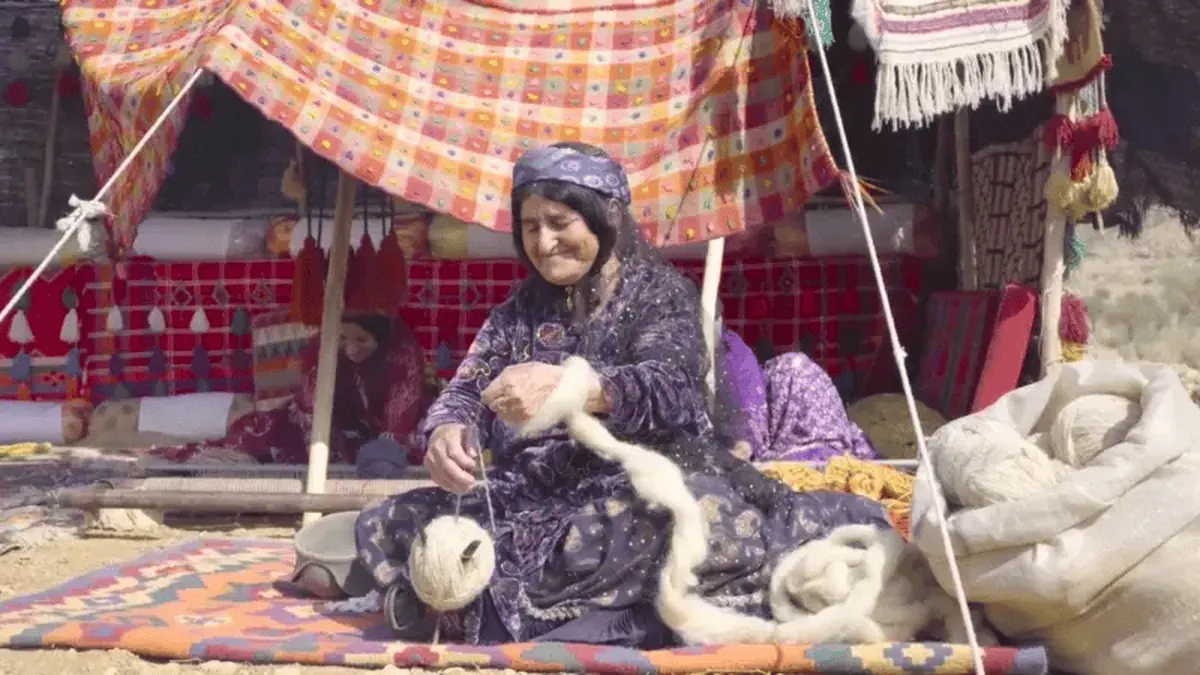
The wool is spun into yarn by hand. Every batch comes out slightly differently — a quality that later shows up as abrash and gives each rug its character.
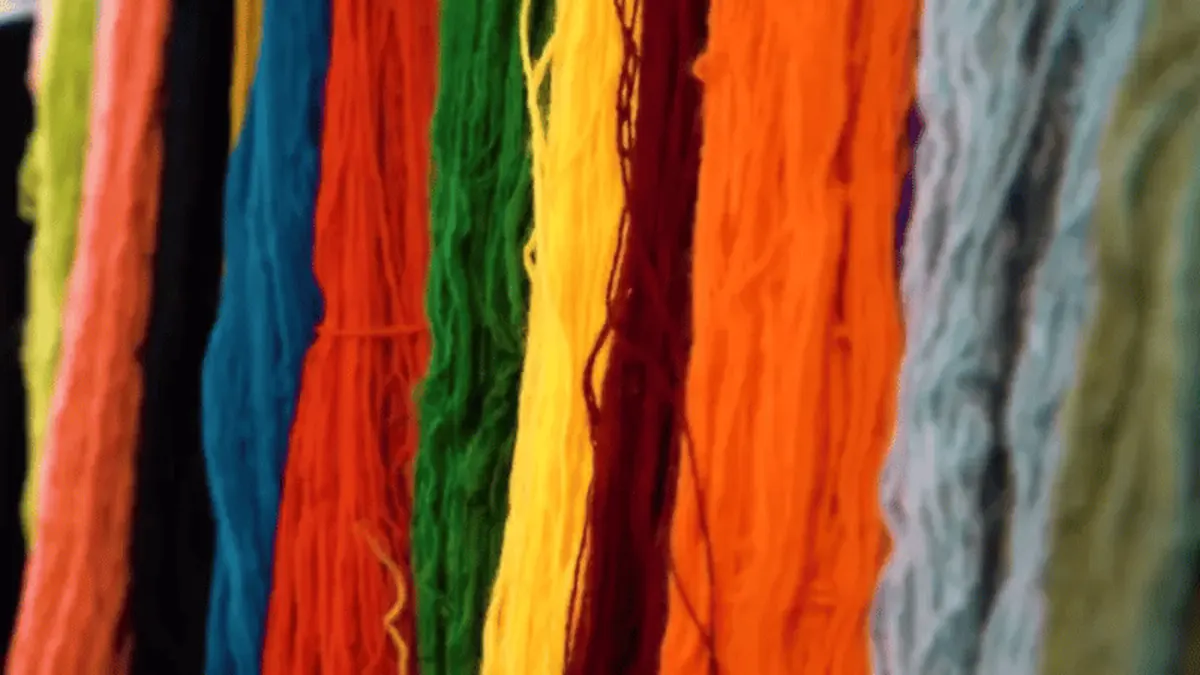
Madder red from Rubia tinctorum, indigo, walnut hull, pomegranate rind — pigments that have been used for centuries on hand-knotted rugs. They age more softly than synthetic dyes.
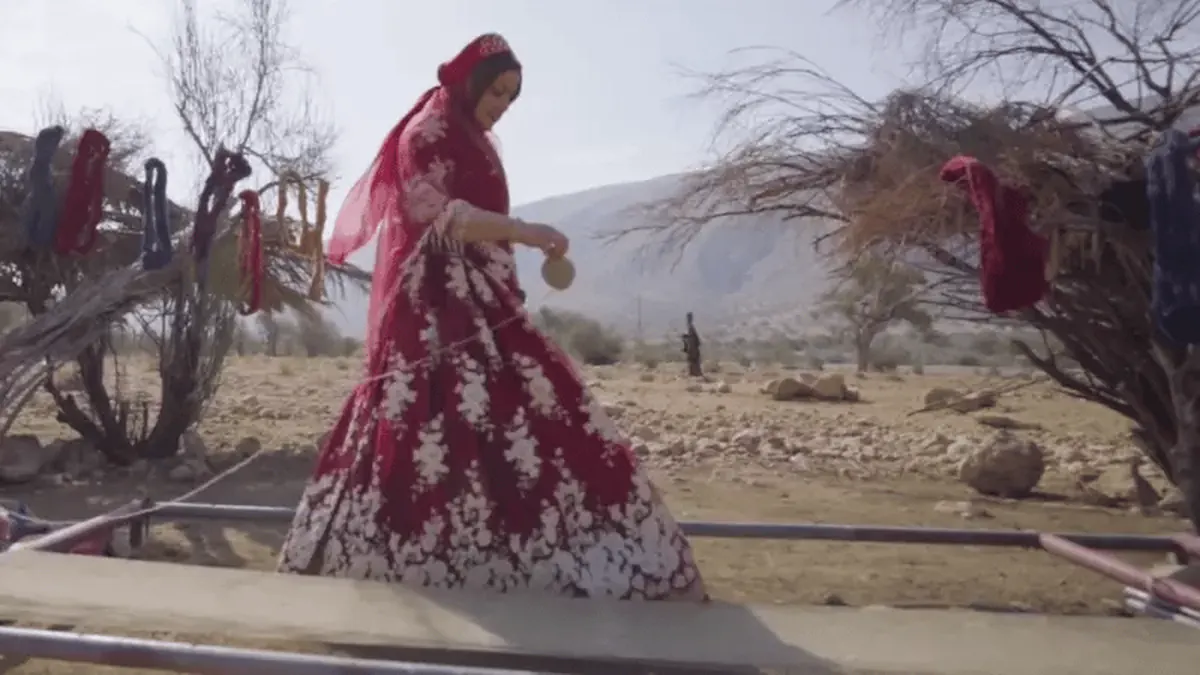
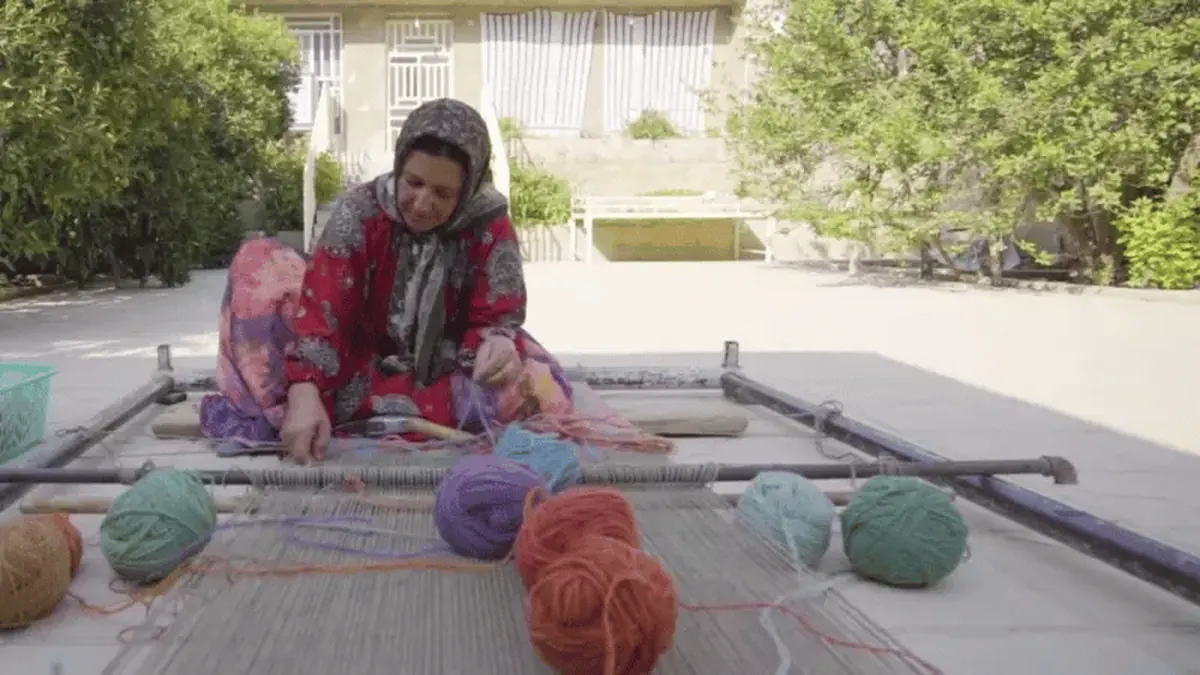
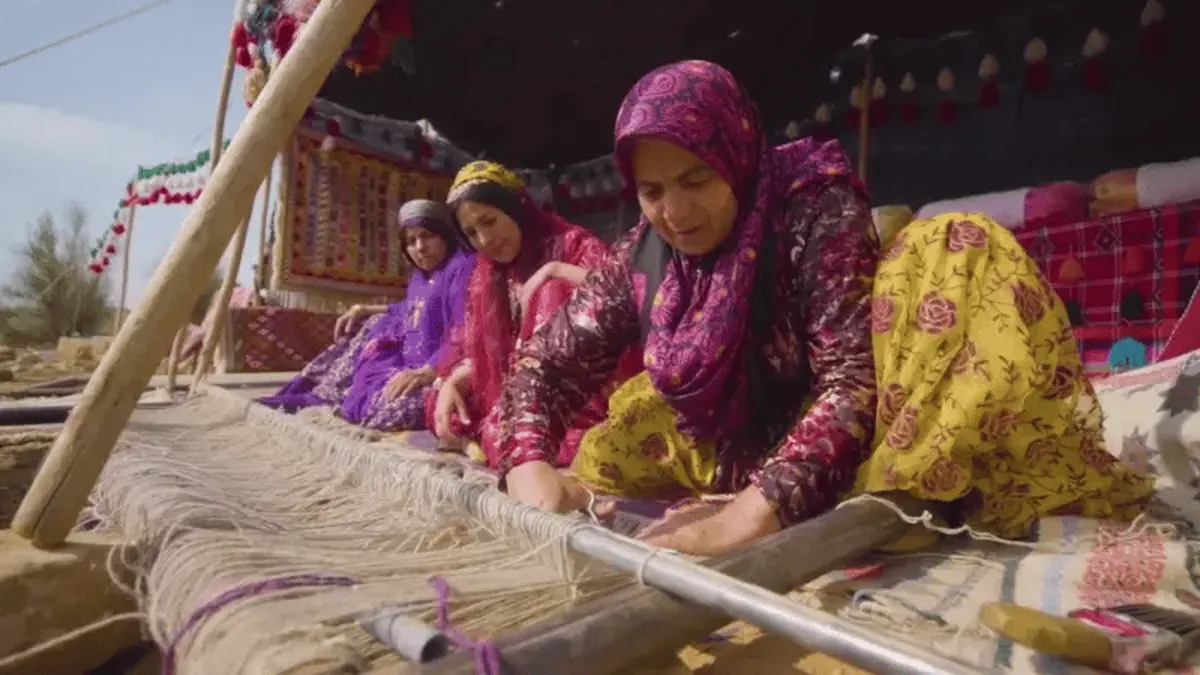
Vertical looms for fine city rugs; horizontal looms for nomadic and village pieces. The warp threads form the skeleton, the weft snakes through them horizontally.
Hand-knotted rugs: every knot tied individually — fine pieces can reach 500,000 per square metre. Kilims: flat-woven, no pile, reversible. A skilled hand ties around 1,000 knots per hour.
The pile is sheared to an even height and the rug is washed — for LOOMA pieces, that happens in Hamburg, with organic agents. Only then does a piece move on to the marketplace.
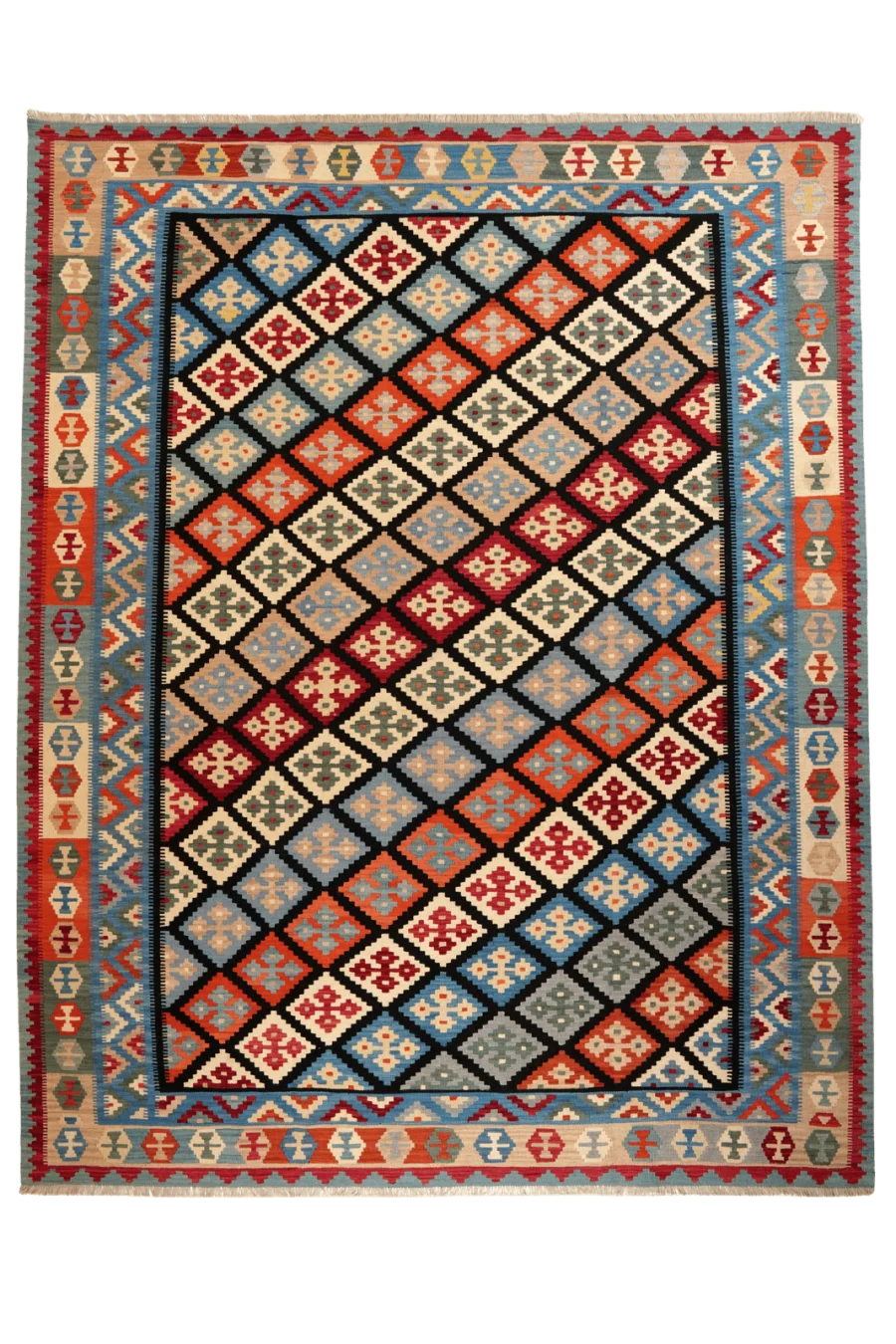 Abrash
When the colour on a LOOMA piece shifts slightly lighter or darker along a row, that's not a defect — it's abrash, the natural signature of hand-spun, naturally dyed yarn. Each batch of yarn comes out slightly differently; when woven, those small differences create these soft transitions. Collectors prize abrash as a mark of authenticity.
Every LOOMA piece is woven or knotted by hand. No two are alike — small irregularities, subtle colour transitions and tactile textures aren't flaws; they're the signature of true handwork.
Before a rug, kilim or cushion ever reaches a marketplace, every piece passes through a visual inspection in Hamburg, an organic wash and minor repairs where needed. Only then does it leave the warehouse.
LOOMA pieces are made exclusively in weaving workshops with personally verified conditions. Where it matters, with STEP certification — the strictest standard for fair rug production.
Currently on XXXLutz, Castorama, OBI and OTTO, Check24. Empik follows in the coming weeks. Just search "LOOMA" on the marketplace or filter by brand in the rugs section.
Weavers in long-standing weaving regions — from the Persian highlands to the Moroccan Atlas. All partner workshops are verified in person; where it matters, they are STEP-certified (fair trade, no child labour).
The full statutory warranty. Shipping, invoicing and returns all run through the marketplace where you placed your order — with the terms you already know from there.
No. Shipping and returns are handled entirely by the marketplace. That way your buying flow stays exactly the way you already know it.
Yes, without exception. The LOOMA range covers hand-knotted rugs, hand-woven kilims and cushions from the same workshops. Every piece is one of a kind — no machine-made products, no industrial manufacturing. Find the exact technique in the marketplace product description.
Abrash means subtle colour differences within a section of the rug — for instance, a red that turns slightly lighter or darker. It happens because hand-spun, naturally dyed yarn varies a little from batch to batch. Among collectors, abrash is a clear sign of authenticity. Machine-made rugs never show it.
A kilim is flat-woven — no pile, no individual knots. The pattern is formed directly by the warp and weft threads. The result: thinner, lighter, reversible. A knotted rug has a pile made of thousands of individually tied knots — thicker, softer, with much higher knot density. Both techniques are equal in craft; they just have different characters and uses.
Knot density = number of knots per square metre. Nomadic and village rugs usually sit between 160,000 and 250,000 knots/m² — the characteristic geometric, slightly coarser look. Fine city rugs reach 250,000 to 500,000+ knots/m² with floral motifs and fine detailing. More knots ≠ better. It comes down to the style and look you want.
Mostly virgin wool for the pile — usually from sheep raised in the Persian highlands, where altitude and cold make the fleece particularly dense and rich in lanolin. Cotton provides the structural base (warp and weft). Some city pieces also use silk for especially fine accents. Natural dyes come from plants — madder, indigo, walnut, pomegranate.
Vacuum regularly — ideally without a rotating brush, which pulls fibres from the pile. Blot fresh stains immediately with cold water and a clean cloth — never rub. No harsh detergents, no washing machine. Every 5–10 years, have it cleaned by a specialised workshop. Wool rugs are surprisingly tough; handled gently, they last decades.
With proper care: a lifetime — and often longer. 19th-century antique pieces are still in use today. Lanolin-rich wool, naturally dyed, hand-tied: this combination of materials was deliberately built to last by older generations who treated rugs as long-term investments. Machine-made rugs are usually replaced after 5–10 years; a handmade one outlasts several generations.